Amboseli was declared a national reserve in 1968 and became a national park in 1974. However, in 2005, President Mwai Kibaki transferred control from the Kenya Wildlife Service to the Olkejuado County Council and its residents, the Maasai tribe. This decision is currently being contested in the courts due to concerns that it could jeopardize Kenya’s other national parks.
Amboseli National Park spans 392 km² (151 miles²) and features a diverse landscape that includes plains, acacia woodlands, rocky thorn bush, swamps, and marshes. This variety, combined with a long dry season, provides excellent opportunities for viewing the large concentrations of African wildlife that inhabit this natural environment.
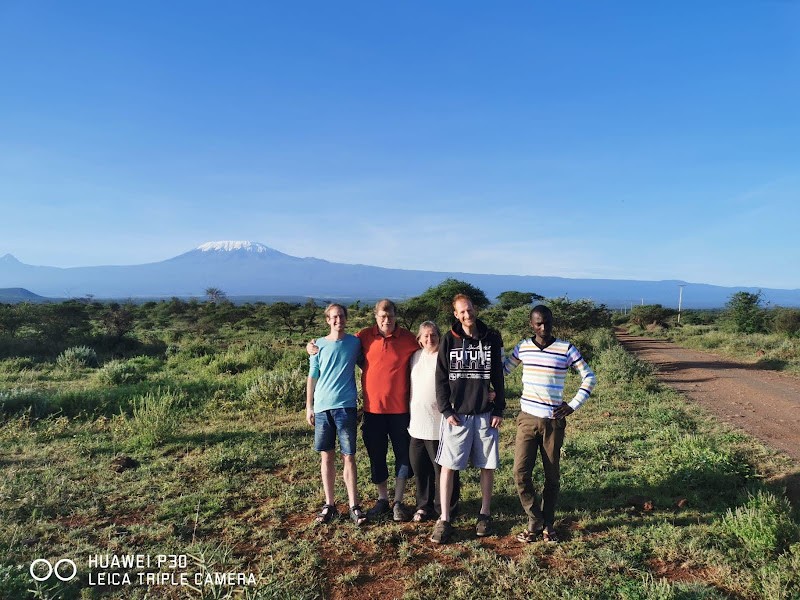
The park offers stunning views of Mount Kilimanjaro, Africa’s highest mountain at 5,895 meters, creating a breathtaking backdrop for observing wildlife. Additionally, there is a dry Pleistocene lake basin that sometimes fills with water to form Lake Amboseli after rainfall.
Amboseli is renowned for its excellent opportunities to see African animals, thanks in part to the sparse vegetation resulting from the prolonged dry season. The park is home to a wide range of wildlife, including African elephants, buffalo, impalas, lions, cheetahs, hyenas, giraffes, zebras, and wildebeests. Birdwatchers will also find many species of birds, both large and small, to observe if they keep their eyes open and stop at every sighting.
Upon arrival at the park, visitors are provided with several common-sense rules to follow: do not exit your vehicle except in designated areas; do not disturb the animals in any way; stick to the designated tracks; no off-road driving; and remember that animals always have the right of way. The roads in Amboseli are made of loose volcanic soil, which can be dusty during the dry season and impassable during the wet season.
Many travelers combine Amboseli with Masai Mara and Lake Nakuru to experience Kenya’s most famous wildlife destinations in one safari refer to our 6 Day Kenya Safari for more
The primary goal of embarking on a wildlife safari in Kenya is to witness the country’s diverse and fascinating wild animals in their natural environments. Many visitors find it astonishing to see birds perched comfortably within the hunting grounds of predators, or witness gazelles peacefully grazing in proximity to big cats. This underscores an important aspect of nature: predators typically hunt only for food, and during the rest of the time, both predators and their prey often coexist in a surprisingly harmonious manner.
One of the standout destinations for such experiences is Amboseli National Park, which is famous for its impressive population of over 900 free-ranging elephants. This park offers the ultimate opportunity to observe these remarkable creatures in their natural habitat, where they roam freely across the savannah. Visitors can also enjoy breathtaking views of Mount Kilimanjaro, the highest freestanding mountain in the world, which majestically towers over the park. For unforgettable vantage points, a visit to Observation Hill is highly recommended. From here, you can gaze over the expansive landscapes of the park, including its wetlands and vast herds of elephants, creating a truly iconic African experience.
Additionally, a safari in this region offers the unique opportunity to engage with the Maasai people, a notable ethnic group renowned for their rich culture and vibrant traditions. Visitors can learn about their indigenous lifestyle, which is intricately connected to the wildlife and land they inhabit, gaining a deeper appreciation for their customs, crafts, and community values.
Birdwatching is another fascinating aspect of a safari in Kenya, particularly from October to January when migratory birds flock to the region. This is the prime time for avid birdwatchers to observe a dazzling array of species, including the striking African skimmers, the colorful red and yellow bishops, graceful goshawks, industrious buffalo weavers, and the majestic palm nut vultures, among many others. The diverse ecosystems of Kenya provide a perfect backdrop for these incredible birds, making it a birdwatching paradise.
The drive itself is part of the adventure.
Quick, comfortable, and scenic.
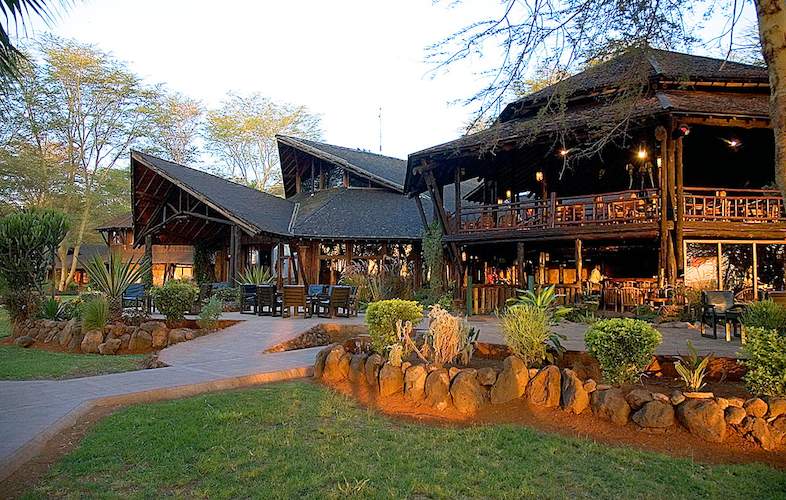
Perfect for travelers who want comfort in the wild.
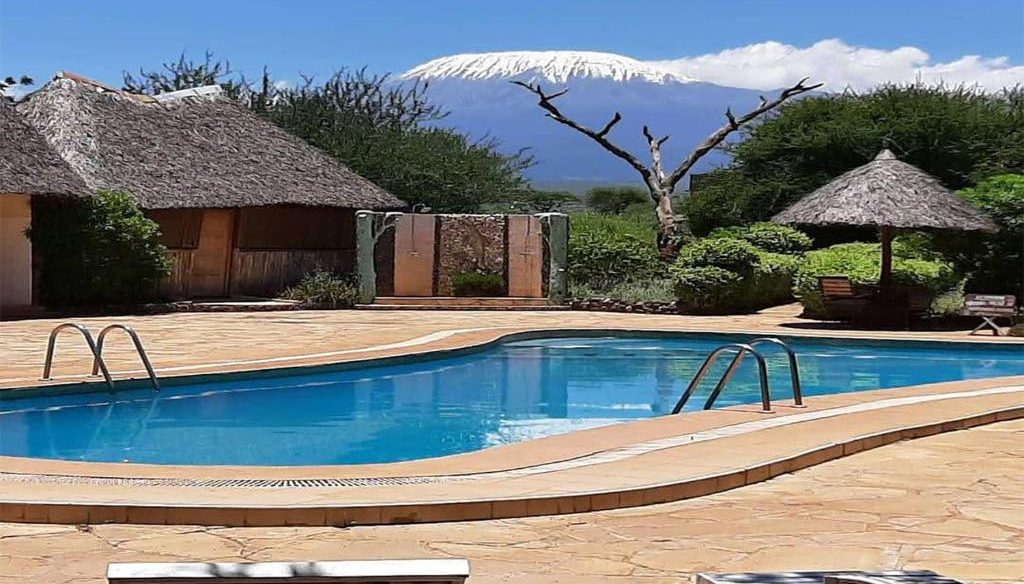
A balance of comfort and adventure.
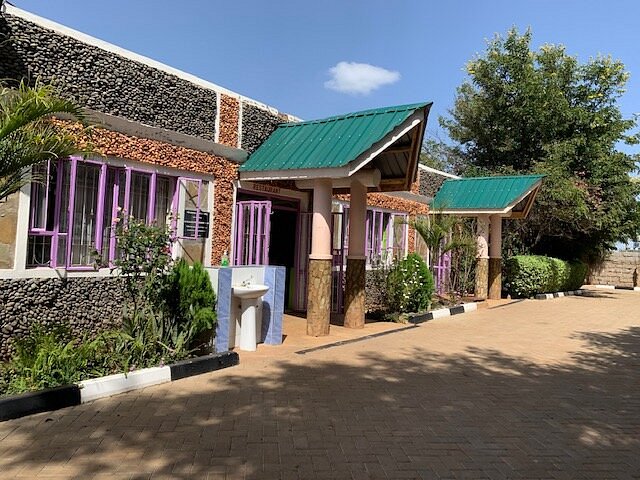
Ideal for travelers looking for affordable adventure.
Both Amboseli National Park and Masai Mara National Reserve offer incredible wildlife experiences, but each destination is unique. Amboseli is famous for its large elephant herds and breathtaking views of Mount Kilimanjaro, making it one of the best places in Africa for wildlife photography. The park is also ideal for short safaris and day trips from Nairobi.
Masai Mara, on the other hand, is Kenya’s most famous safari destination and is renowned for the Big Five, abundant wildlife, and the spectacular Great Wildebeest Migration. The vast open plains provide excellent game viewing throughout the year, making it a top choice for first-time safari visitors.
If you are looking for iconic elephant encounters and stunning scenery, Amboseli is an excellent choice. If you want the highest concentration of wildlife and the chance to witness the Great Migration, Masai Mara is hard to beat. Many travelers choose to combine Amboseli and Masai Mara in one itinerary for the ultimate Kenya safari experience.
Perfect for a short but exciting wildlife adventure.

A more relaxed safari with extra time in the wild.

For travelers who want the best experience possible.
You can explore all safari options by visiting our Kenya Safari packages. If you want to specifically explore Amboseli National Park, our Amboseli Safari Packages page is your one-stop shop.