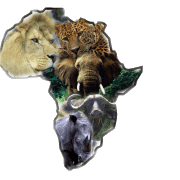
The Maasai Mara Game Reserve, commonly referred to as the Maasai Mara or simply the Mara, is located in the Great Rift Valley in the southern part of Kenya. This expansive unfenced savannah grassland covers approximately 1,510 square kilometers (around 938 square miles) and is situated roughly 150 miles southeast of Nairobi. The reserve is named after the indigenous Maasai tribe and the Mara River, which flows through the park.
The Maasai Mara is renowned for offering the best views of the famous wildebeest migration, which occurs when the animals cross the Mara River between July and August. It is also home to the richest concentration of wildlife in Africa, including the “Big Five” – elephants, lions, leopards, rhinos, and buffalo – as well as zebras, antelope, gnus, oribis, hyenas, giraffes, warthogs, gazelles, hartebeests, hippos, crocodiles, and many others. Notably, the park has the largest concentration of African lions, including the impressive black-maned lion.
In addition to its wildlife, the Maasai Mara boasts an abundance of birdlife, with over 400 different species recorded. The park experiences a hot and dry climate, with two regular rainfall seasons each year. Its landscape is predominantly open savannah with clusters of acacia trees, particularly in the southeastern region of the park. The rolling plains are graced by the Mara and Talek rivers, and numerous seasonal rivers emerge during the rainy season, drying up once the rains cease.
Unlike many national parks in Kenya, the Maasai Mara Game Reserve is not managed by the Kenya Wildlife Service (KWS); rather, it is overseen by the local county council of the Narok district.
The Maasai Mara Game Reserve is one of the premier destinations in Africa for wildlife viewing. Game drives, which allow visitors to experience the park up close, are available year-round. If you are in search of the big cats during your Kenyan safari, you are bound to spot them in the Mara.
All of the “Big Five” animals—elephants, lions, leopards, rhinoceroses, and buffalo—can be found here. However, the population of black rhinos is critically endangered, with only 37 individuals recorded as of the year 2000.
Throughout the park, you can also see herds of plains zebras along with Maasai and common giraffes, jackals, white-bearded gnus, Oribis, warthogs, Thomson’s and Grant’s gazelles, hartebeests, hyenas, bat-eared foxes, the rare Topi antelope, and the beautiful roan antelope. Additionally, hippos and crocodiles inhabit the Mara River.
First-time visitors often choose a 3 Day Masai Mara Safari as it offers enough time to explore the reserve and spot the Big Five.
Each year, over 1.5 million wildebeest, zebras, and various species of antelope embark on an annual migration between the Serengeti in Tanzania and the Maasai Mara in Kenya in search of greener pastures. This journey is filled with drama, as the migrating herds attract hungry predators, such as hyenas and lions, that prey on the weaker animals along the way. The animals trek for about four months, from July to October, towards the Mara. The best times to witness the spectacular wildebeest migration and the dramatic events during the mass crossings of the swollen Mara River are in July and August.
This phenomenon is what is known as the great Masai Mara Migration. To witness this adventure we would recommend you to book or Kenya Migration Safari package.
The vast Maasai Mara Reserve is situated at an altitude ranging from 4,875 to 7,052 feet above sea level, resulting in a damp climate and more moderate temperatures than most of Kenya. Daytime temperatures typically reach a maximum of 85°F (30°C), while nighttime temperatures can drop to around 60°F (15°C). Most rainfall occurs between March and May, as well as during the short rainy season in November and December, which can make navigation through the park challenging at those times.
The best period to visit the Maasai Mara is between July and October when the weather is dry, the vegetation is lush, and daytime temperatures are pleasant. This is also when the park sees the highest number of tourists. The hottest temperatures are experienced between December and January, while June and July are the coolest months in the park.
It is one of the greatest natural spectacles on Earth.
Game drives are the heart of every safari experience.
You’ll head out early in the morning or late in the afternoon when wildlife is most active.
Expect:
No two game drives are ever the same.
For something truly unforgettable, a hot air balloon safari gives you a peaceful sunrise view over the Mara.
After landing, you’ll enjoy a bush breakfast right in the wild—surrounded by nature.
Masai Mara is a dream for photographers.
You’ll find:
Even beginners end up with incredible shots. How about a 2 Day Masai Mara Safari to Jumpstart your Kenya holiday?
The drive itself is part of the adventure.
Quick, comfortable, and scenic.
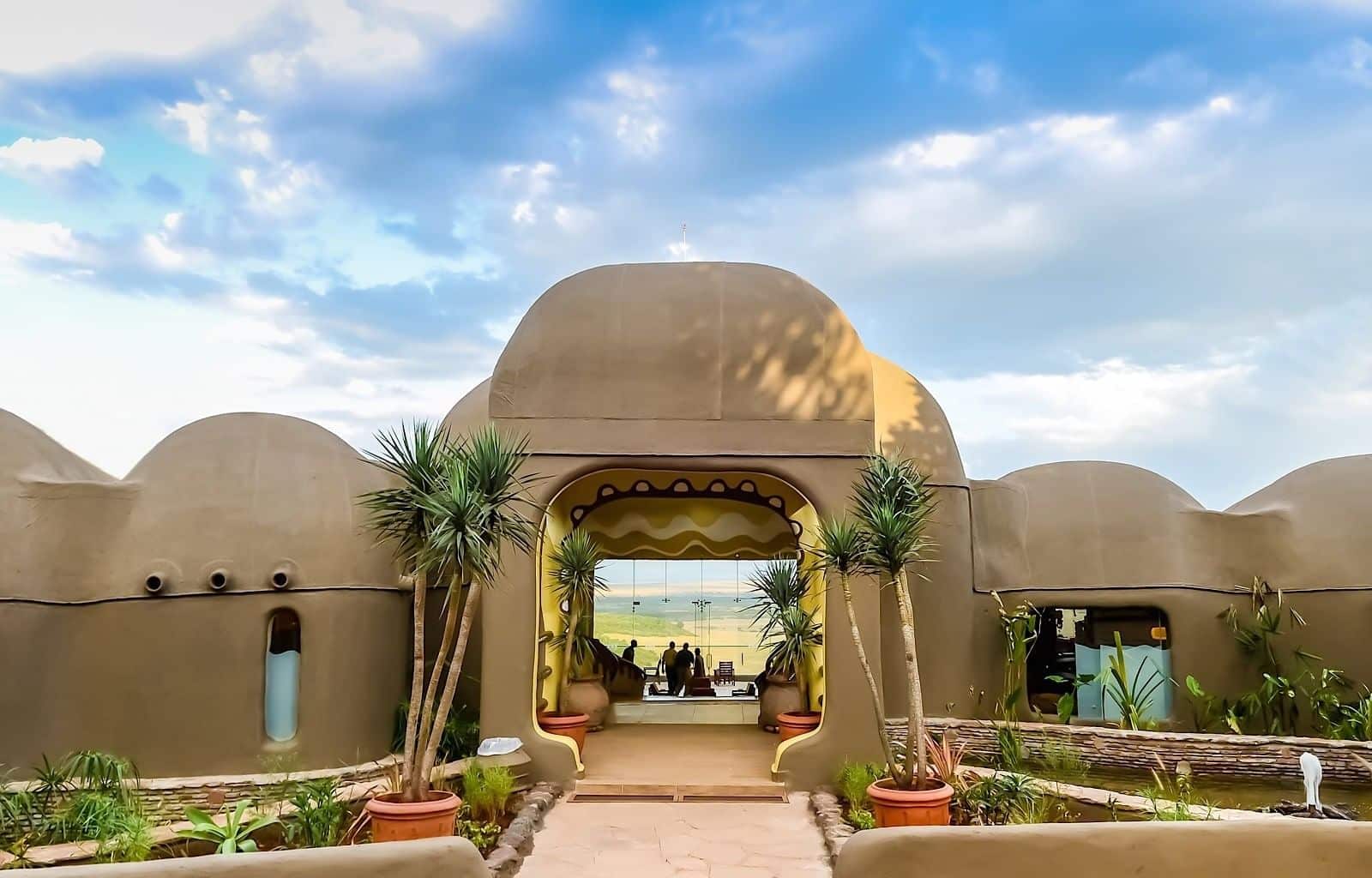
Perfect for travelers who want comfort in the wild.
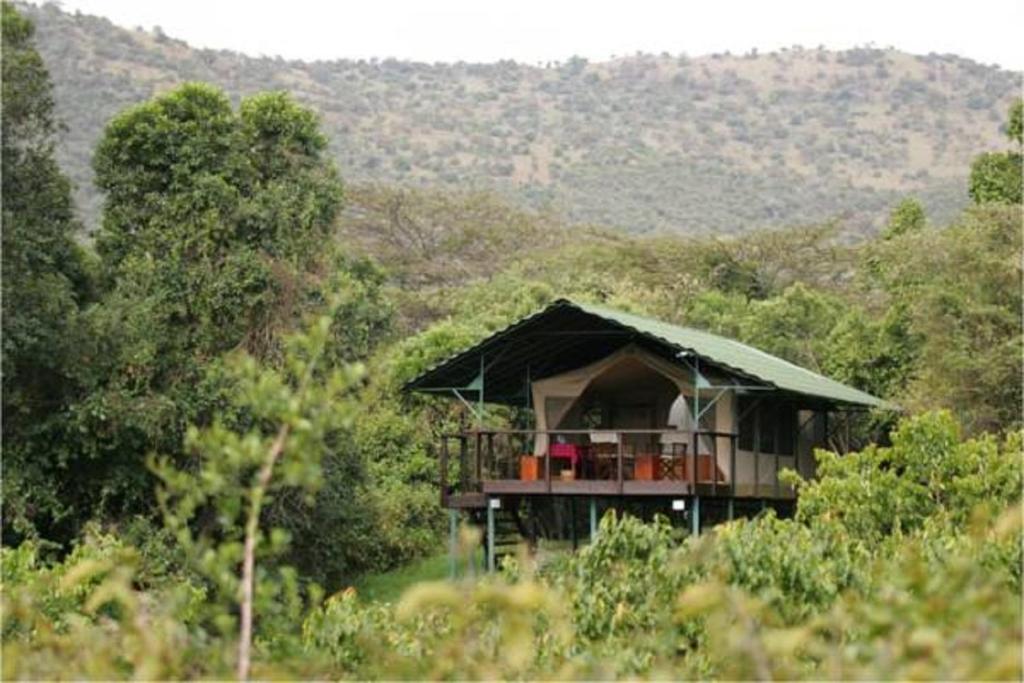
A balance of comfort and adventure.
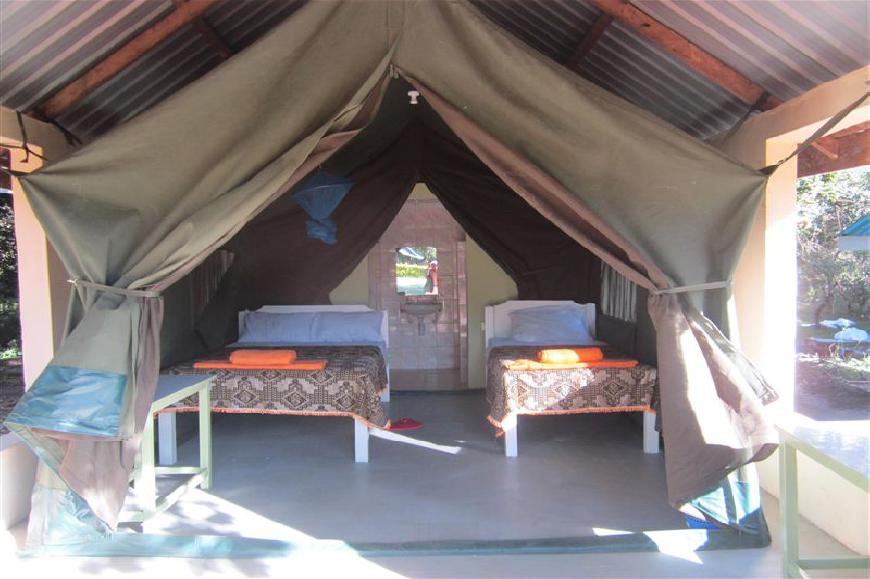
Ideal for travelers looking for affordable adventure.
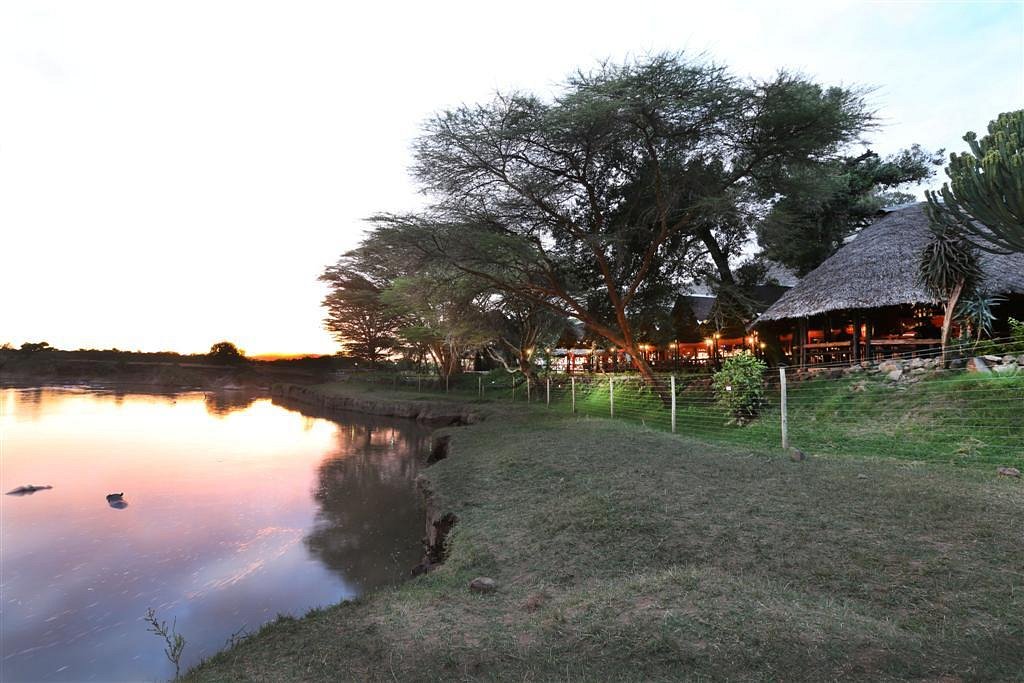
These are located outside the main reserve.
his is the heart of the action.
These offer a more exclusive safari experience.
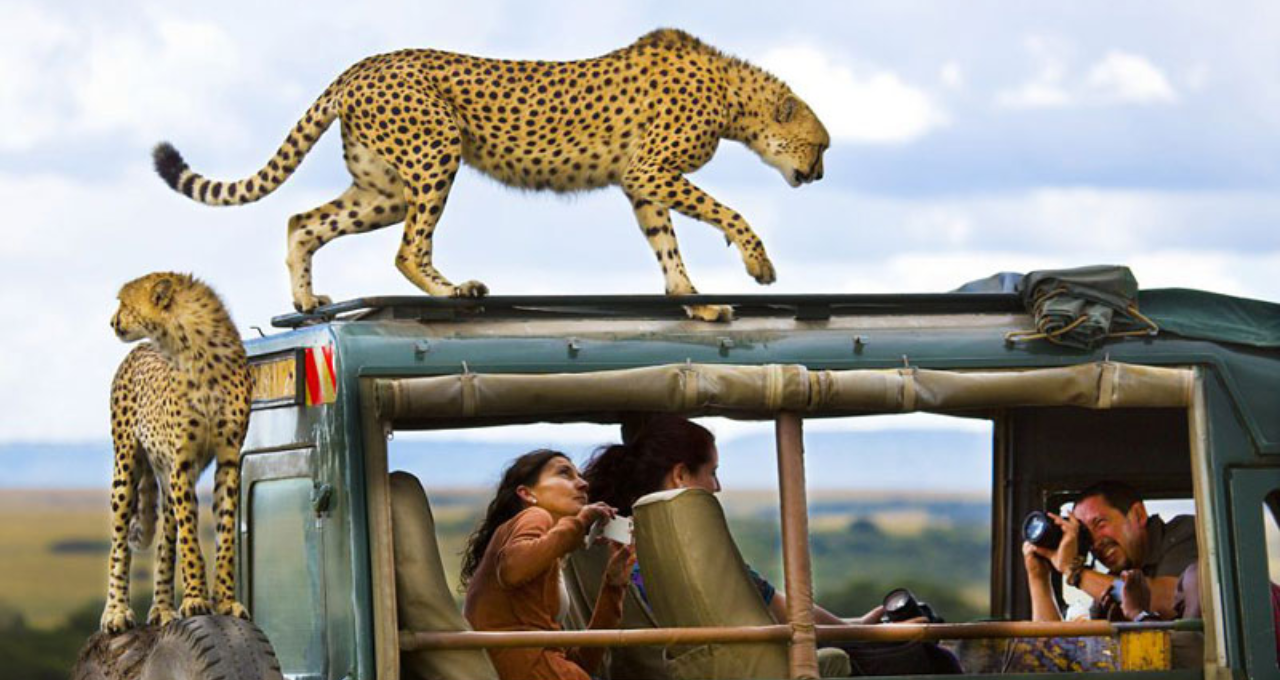
Perfect for a short but exciting wildlife adventure.
A more relaxed safari with extra time in the wild.
For travelers who want the best experience possible.
You can explore all safari options by visiting our Kenya Safari packages. If you want to specifically explore the Masai Mara, our Masai Mara tour packages page is your one-stop shop.
A safari day in Masai Mara is calm, exciting, and unforgettable.
You wake up early as the sun rises over the savannah. After a quick breakfast, you head out for a game drive where anything can happen—lion sightings, elephant herds, or cheetahs on the hunt.
In the afternoon, you relax at your lodge before heading out again for a sunset game drive.
The day ends with dinner under the stars, surrounded by the sounds of the African wilderness.
book your Masai Mara Safari today and we gaurantee you an adventure like no other.